


Bova Scholars – Free Vet Education
Welcome to our Bova Scholars hub. Here you will find all our continuing education for veterinarians, veterinary nurses/technicians, and support staff – all free, and all from experts in their field. We have a passion for innovation, and this not only extends to the products we deliver, but to the educational content we create. We aim to provide you with the latest research, thinking and treatment options with easily accessible blogs, podcasts and webinars. So, whether you’re a reader, a listener or a watcher, we have you covered.

-
Upcoming
From signal to diagnosis: using AI and epigenetics in clinical-decision making
Advances in AI and epigenetics are redefining how we diagnose and manage disease in veterinary practice. In this webinar, we will look at how analysing microRNA signals in a simple blood sample using machine learning algorithms can help identify disease earlier and support clinical decision-making.
-
On-Demand

Working up the Pruritic Horse
Pruritus in the horse is usually caused by either allergies (often atopic
dermatitis) or ectoparasites. Differentiation between these two main
etiologies, as well as potential treatment options such as anti-pruritic
medications (beyond corticosteroids) allergy testing and hyposensitization,
and anti-ectoparasite strategies will be covered.
-
On-Demand

Beyond End of Life: Integrating palliative care into your veterinary practice
Palliative care in veterinary medicine is widely misunderstood — and widely underused. This free, evidence-based webinar cuts through the confusion to show you how integrating palliative and hospice principles into your practice can improve patient outcomes, strengthen the human-animal bond, and better protect the wellbeing of you and your team. Whether you’re curious about compounding, cautious about integrative medicine, or feeling the pressure of corporate practice models — this session is for you.
-
-
Upcoming
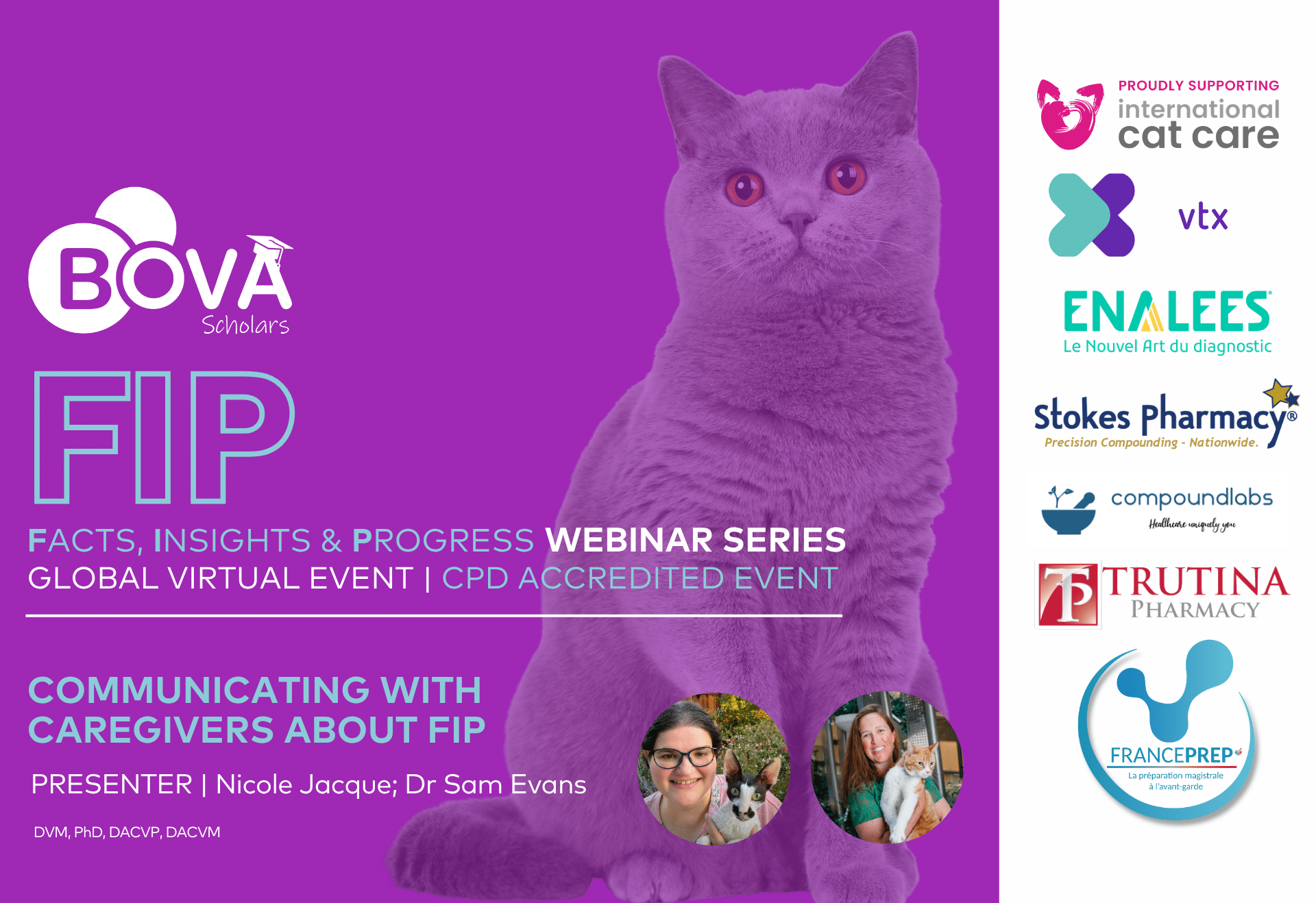
Communicating with caregivers about FIP
An FIP diagnosis can turn a caregiver’s world upside down, and the flood of misinformation online doesn’t help. Nicole Jacque and Dr Evans cover how early, open communication builds caregiver confidence and lowers stress — the key information to convey, the questions caregivers ask most, and the tools that support a successful outcome.
-
Upcoming
-
Upcoming
Supportive care: treating FIP is more than just antivirals
Antivirals get the headlines, but supportive care can make or break an outcome. Dr Taylor closes out the series with the practical side of nursing a cat through FIP treatment and recovery.
-
Upcoming
Beyond FIP: the role of coronavirus in multi-cat households and catteries
FCoV doesn’t stop at the individual cat. Dr Černá looks at what multi-cat households and catteries need to know about managing coronavirus at a population level, not just a patient level.
-
Upcoming
Available medications: experiences and controversies
With multiple antivirals now in circulation and years of real-world use to draw on, Dr Evans covers what the evidence says about the medication options available today — and the controversies that still surround them.
-
Upcoming
My most challenging FIP cases and how I treated them (live panel)
A live panel session where Dr Černá, Dr Knies and Dr Cattin walk through some of their toughest FIP cases — the decisions made under pressure, what worked, and what they’d do differently with hindsight.
-
Upcoming
‘Long-FIP’: residual effects and latest research
Some cats carry lingering effects long after treatment ends. Prof Hartmann reviews the emerging research on ‘long-FIP’ and what it could mean for follow-up care.
-
Upcoming
Treating neurological FIP: overcoming challenges
Neurological FIP brings its own set of hurdles, from drug penetration to monitoring response. Dr Taylor shares practical strategies for managing these harder cases in general practice.
-
Upcoming
Relapse or re-emergence: treating cases where the signs return
When signs return after apparent remission, is it relapse or a new infection? Dr Coggins works through how to tell the difference, and what it means for how you approach retreatment.
-
Upcoming
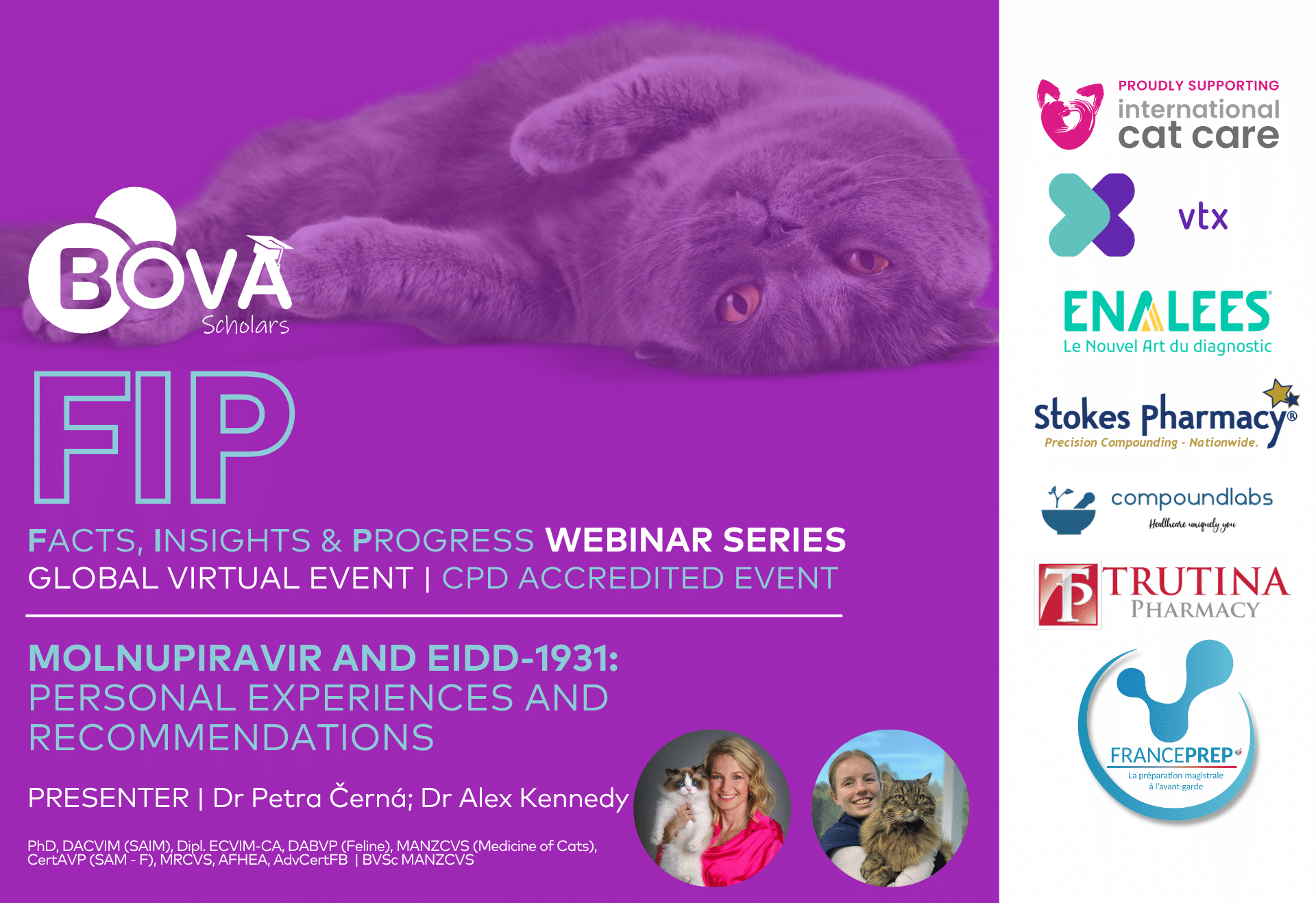
Molnupiravir and EIDD-1931: personal experiences and recommendations
As alternative antivirals gain traction, Dr Černá shares her clinical experience with molnupiravir and EIDD-1931, and where they fit alongside remdesivir and GS-441524.
-
Upcoming
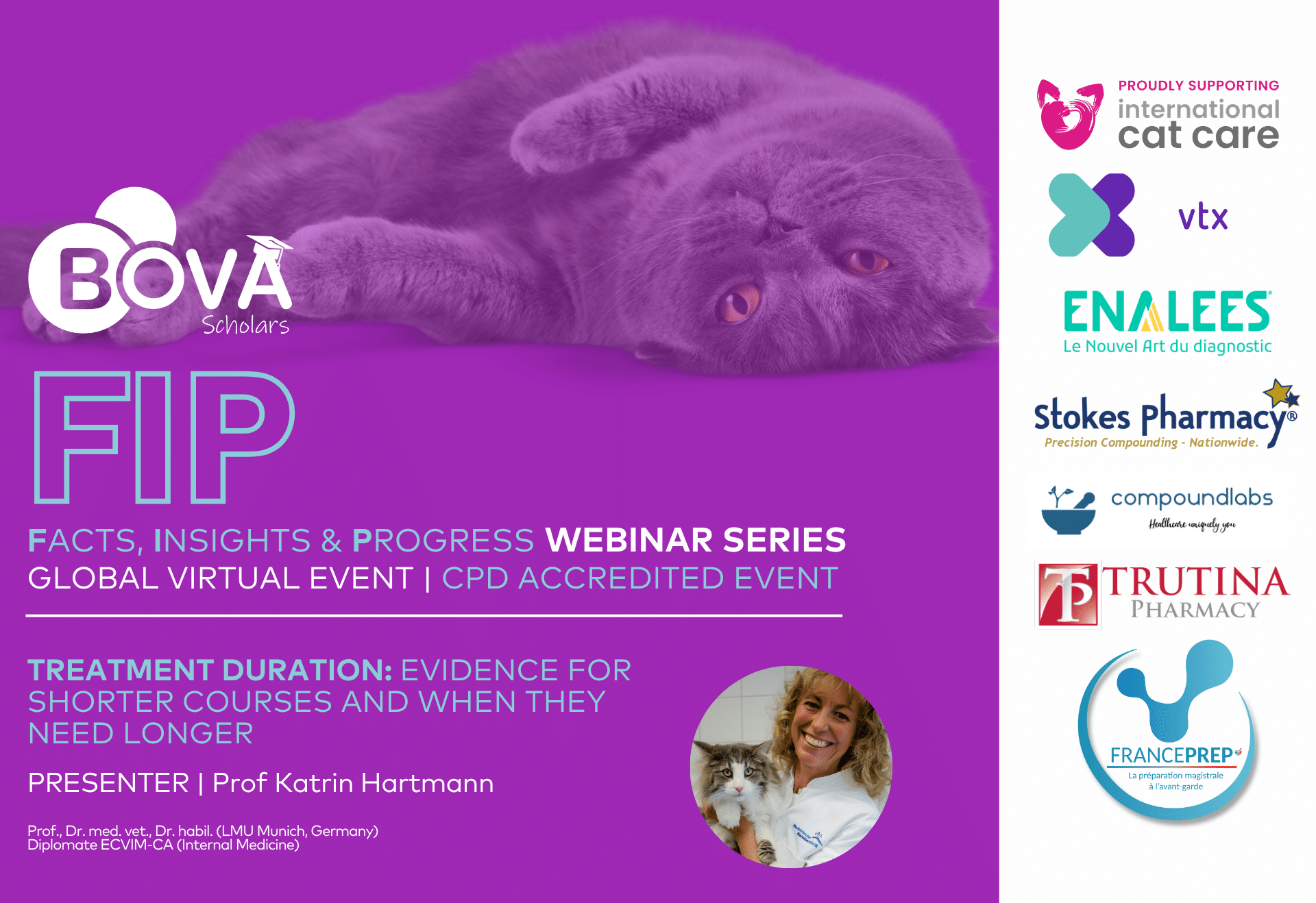
Treatment duration: evidence for shorter courses and when they need longer
Not every cat needs the standard course. Prof Hartmann looks at the evidence behind shortening treatment where appropriate, and the signs that tell you a case needs longer.
-
Upcoming
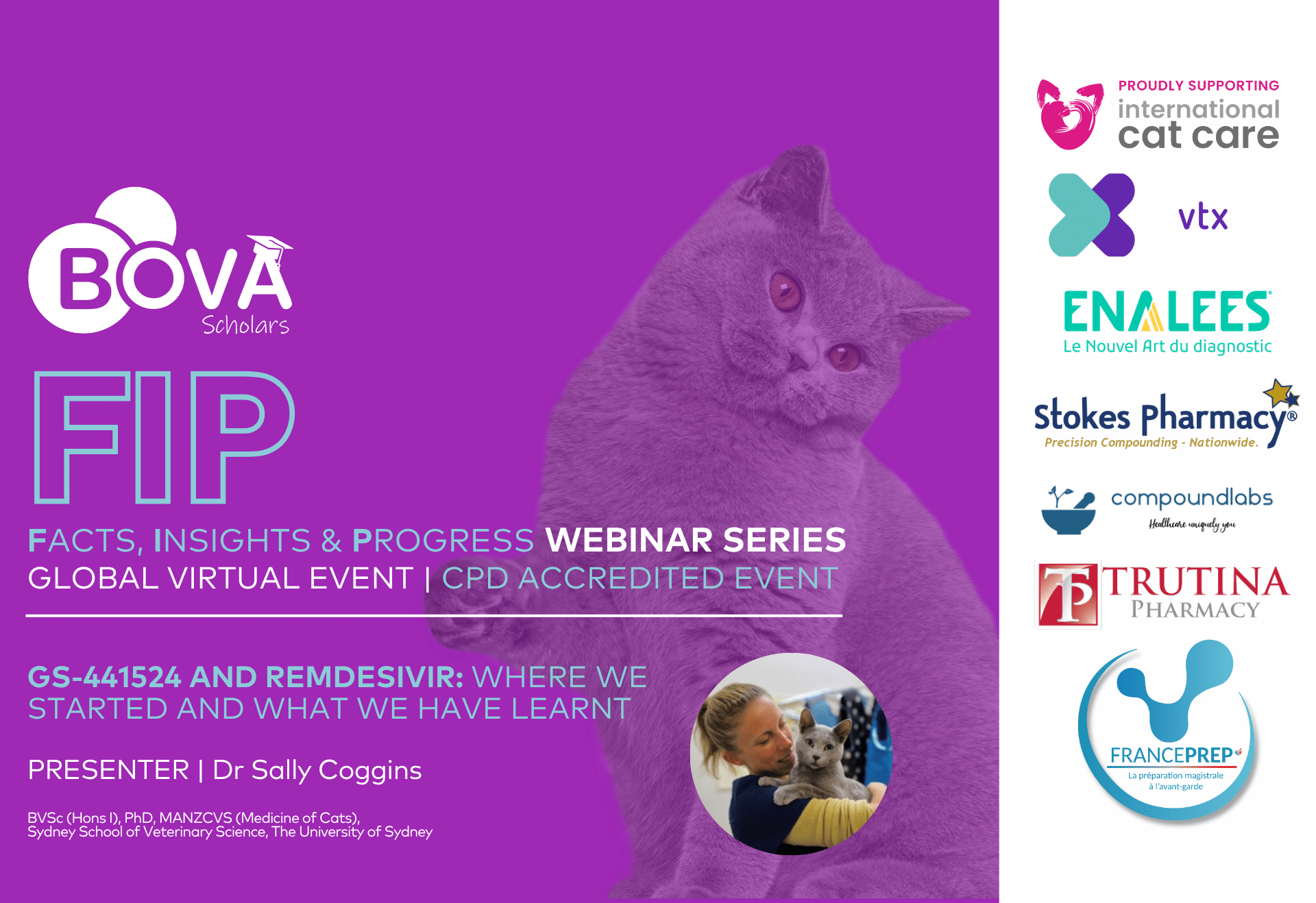
GS-441524 and remdesivir: where we started and what we have learnt
Dr Coggins takes stock of how far antiviral treatment for FIP has come — from the earliest protocols through to what the evidence now tells us about dosing, duration and outcomes.
-
Upcoming
Using oral remdesivir in New Zealand
New Zealand vets have taken a different route to treating FIP, relying on compounded oral remdesivir where GS-441524 isn’t yet available. Dr Cattin shares the practicalities of that approach — dosing, monitoring and what the outcomes look like in practice.
-
Upcoming
Do we need to worry about resistance?
As antiviral use scales up, Dr Coggins and Dr Whittaker tackle the question clinics are starting to ask: is resistance becoming a genuine clinical issue in FIP treatment, and what should we be watching for?
-
Upcoming
Complications of FIP: IMHA, sepsis and myocarditis
This lecture will review the imaging findings associated with FIP across multiple modalities, including thoracic radiography, abdominal ultrasound, computed tomography (CT), and magnetic resonance imaging (MRI). Participants will learn the most common thoracic and abdominal abnormalities reported in the literature and observed in clinical practice, including pleural and peritoneal effusions, lymphadenomegaly, hepatic, gastrointestinal and renal lesions.
-
Upcoming
Imaging findings in cats with FIP: from POCUS to MRI
This lecture will review the imaging findings associated with FIP across multiple modalities, including thoracic radiography, abdominal ultrasound, computed tomography (CT), and magnetic resonance imaging (MRI). Participants will learn the most common thoracic and abdominal abnormalities reported in the literature and observed in clinical practice, including pleural and peritoneal effusions, lymphadenomegaly, hepatic, gastrointestinal and renal lesions.
-
Upcoming
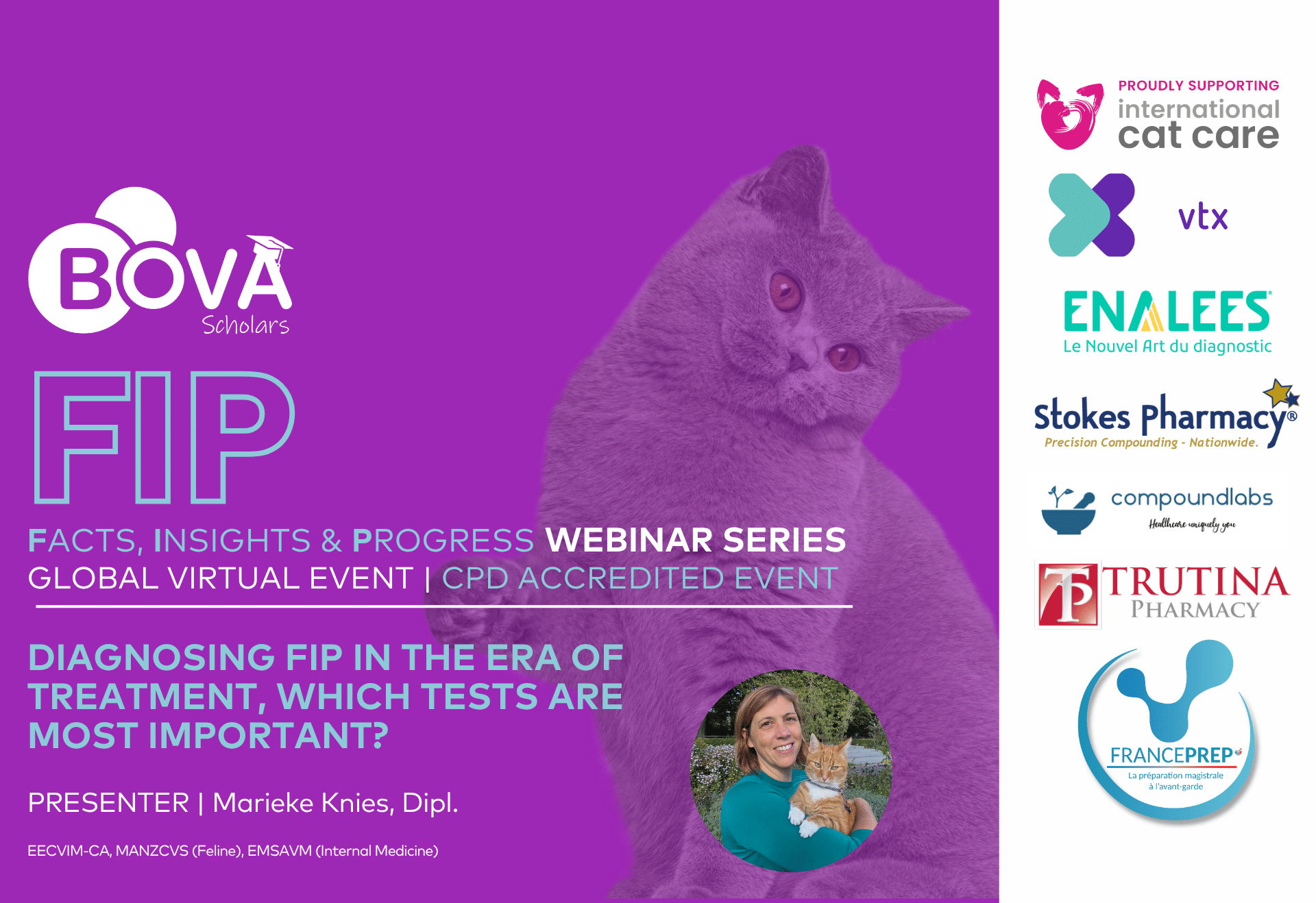
Diagnosing FIP in the era of treatment: which tests are most important?
This webinar will discuss the interpretation and limitations of commonly requested tests, including albumin-to-globulin ratio, acute-phase proteins, Rivalta testing, feline coronavirus serology, RT-qPCR and coronavirus mutation analysis. We will also consider when a negative result does not exclude FIP, and when a carefully monitored treatment trial is reasonable. By the end of the session, delegates should be able to select diagnostic tests based on the individual cat’s presentation, interpret results within the context of disease probability and make timely, evidence-based decisions about initiating antiviral treatment.
-
Upcoming
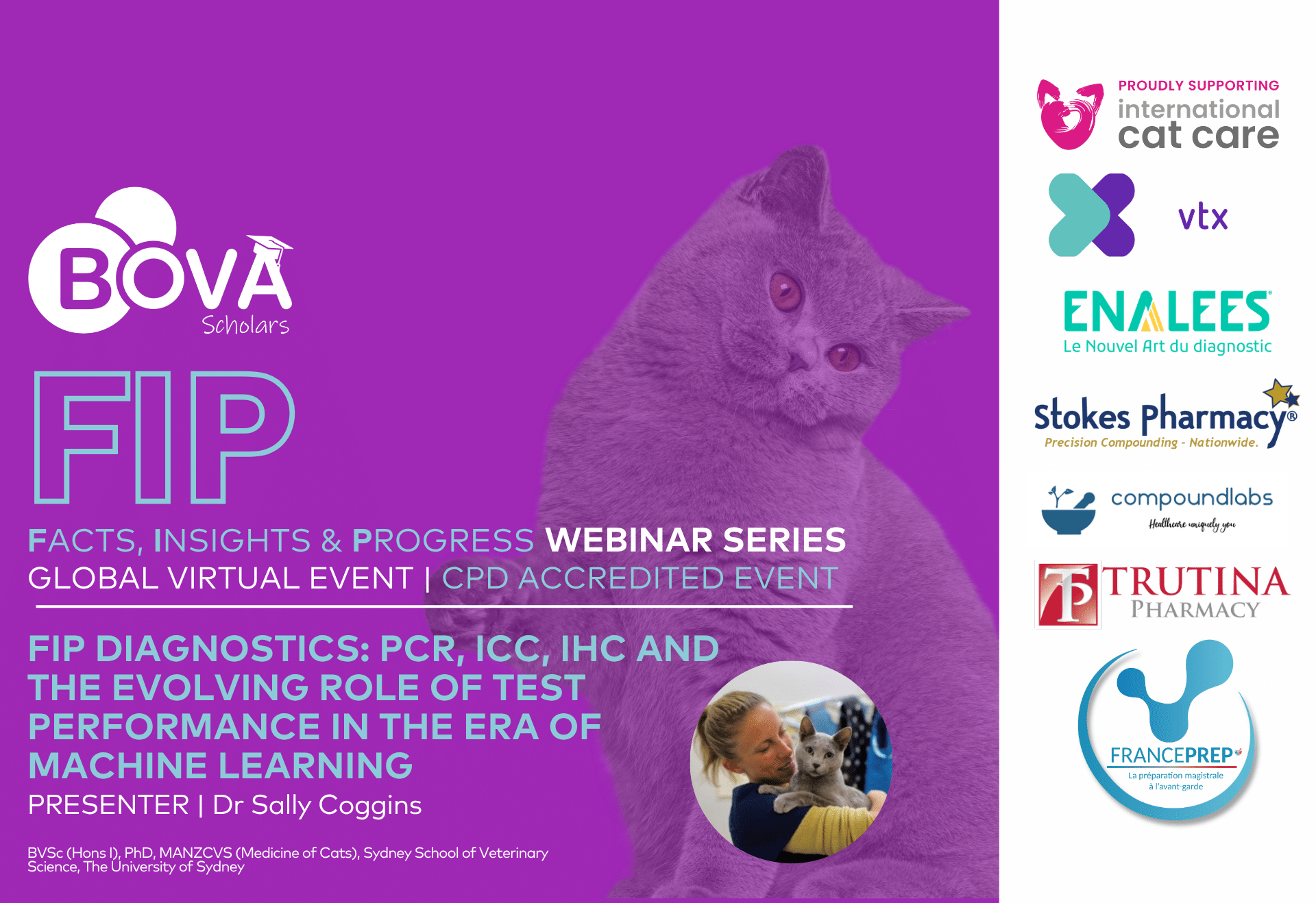
FIP diagnostics: PCR, ICC, IHC and the evolving role of test performance in the era of machine learning
Determine when FCoV PCR, ICC, and IHC should be considered based on clinical presentation and sample accessibilityInterpret the sensitivity and specificity of PCR, ICC, and IHC in the literature, and explain how these are influenced by sample type and disease presentation
Select appropriate sample types for each diagnostic modality and recognise key practical limitations, including effects of sample handling, transport, and storage
Evaluate how the availability of effective treatment has shifted diagnostic priorities, particularly the balance between maximising specificity versus avoiding false negatives and diagnostic delay
Recognise the emerging role of data-driven approaches (including machine learning) in FIP diagnostics, and their potential to influence future interpretation and clinical decision-making
-
Upcoming
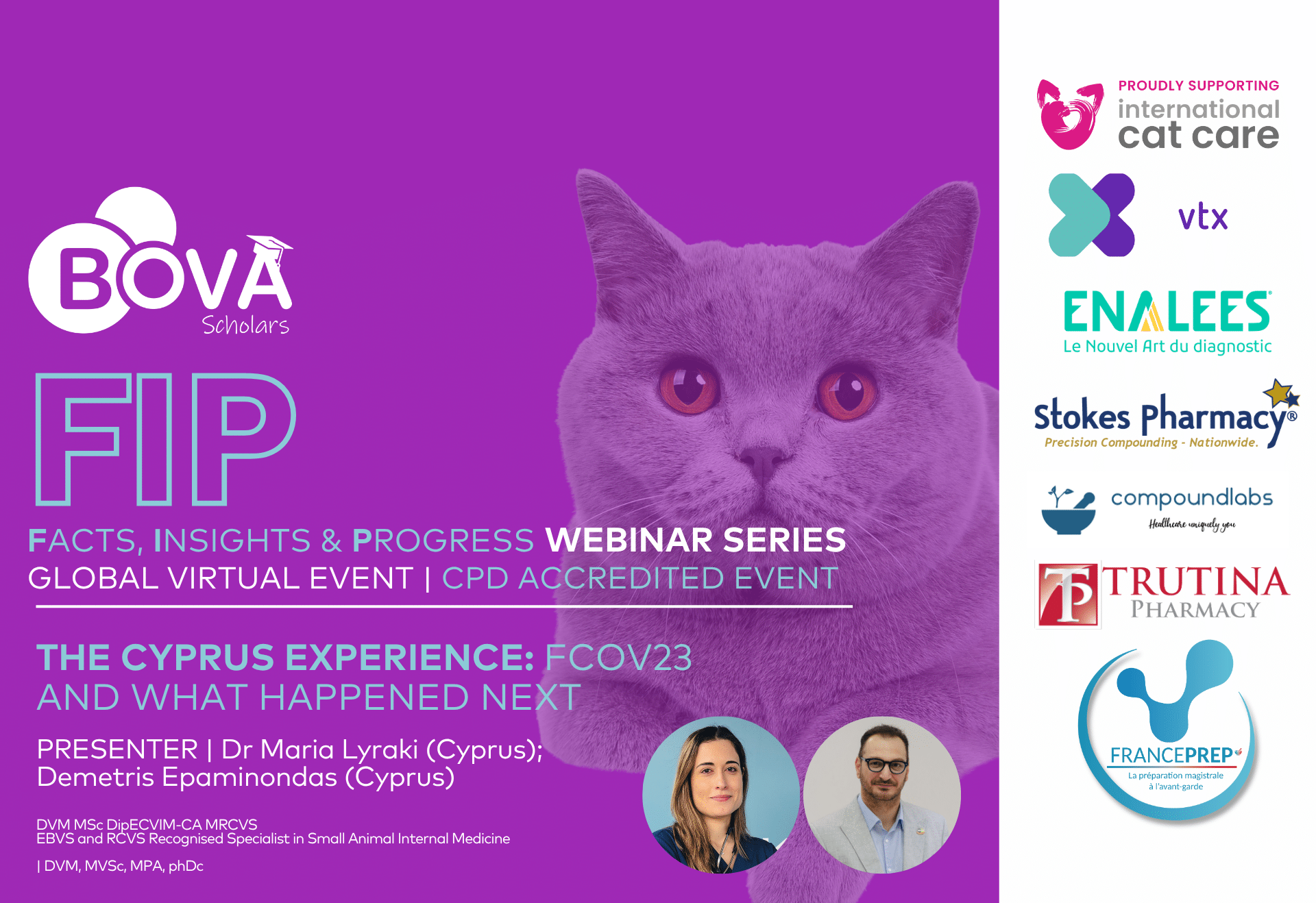
The Cyprus experience: FCoV-23 and what happened next
A brief reminder of the FCoV-23 outbreak in 2023 in Cyprus The methodology of epidemiological monitoring of the FCoV23 in CyprusThe genetics behind the outbreakNew clinical information regarding FCoV-23
How is the situation now across the island?
First prospective data regarding FCoV-23 FIP treatment response
First prospective data regarding the epidemiological data in the shelters and monitoring of the FIP in Cyprus

-
Upcoming
-
Upcoming
Pathogenesis of FIP: understanding the basics
Understand the basic structure of the feline coronavirus (FCoV) genome and the important differences between serotype 1 and serotype 2 FCoV.Understand the basic pathological processes underpinning FCoV infection and feline infectious peritonitis (FIP)
Appreciate how the features of the FCoV genome, replication, and pathogenesis impact on diagnostics.



FAQ
Why choose Bova Scholars for continuing vet education?
We believe one of our key roles is to support veterinarians and veterinary nurses/technicians – making clinic life easier where we can. We know time is precious, so our free veterinary education is convenient and easily accessible – giving you the flexibility to learn when, and how you want.
We use board Specialists, key opinion leaders and industry professionals to deliver cutting-edge recommendations that help you provide the best care for your patients – covering a range of species and therapeutic areas.
Who is Bova Scholars for?
Bova Scholars has free veterinary education for all veterinary professionals – veterinarians, veterinary nurses/technicians, and the support staff – we know how important up-to-date knowledge is for the whole team.
What free vet education topics does Bova Scholars cover?
Bova Scholars covers a wide range of topics across small animal and equine medicine, giving you up-to-date information on equine topics such as laminitis and equine gastric disease, and small animal topics including feline infectious peritonitis (FIP) and feline allergies. We also have non-clinical topics to help support you in more general clinic life.
Who are Bova Scholars’ experts?
Meet some of the Specialists, key opinion leaders and industry professionals who deliver our CPD:
Equine:
Dr David Rendle BVSc MVM CertEM(IntMed) DipECEIM FRCVS
RCVS and European Specialist in Equine Internal Medicine
Small animal:
Dr Sally Coggins BVSc(Hons I) MANZCVS (feline Medicine) Masters of Philosophy (Science)
Dr Robert Hilton BVSc(Hons) MANZCVS CertVD
How to access Bova Scholars’ free vet education webinars
All you need to do is follow the relevant link, enter your details, and enjoy. Once you have completed a webinar on-demand please send an email to admin@bova.com.au and we will send you a link to your CPD certificate.
Keeping up to date with continuing veterinary education
As you know, continuing veterinary education or CPD (continuing professional development) is a requirement for all Australian veterinary professionals. The average number of CPD points required is 60 points over a rolling 3-year period. However, this is slightly different in each state so please check the Australian Veterinary Boards Council for more information.
Free education for animal owners
Finding trusted educational content for pet owners can be challenging. We have webinars for horse owners and cat owners to help owners better understand their pets to help improve animal welfare.
If you’re a pet owner, then you are in the right place! Watch our pet owner webinars here.