


The treatment of feline infectious peritonitis (FIP) in the UK – what to look out for during treatment
Last updated: 07/2025
Sam Taylor BVetMed(Hons) CertSAM DipECVIM-CA MANZCVS FRCVS
Séverine Tasker BVSc BSc DSAM PhD DipECVIM-CA FHEA FRCVS
Danielle Gunn-Moore BSc(Hon), BVM&S, PhD, MANZCVS, FHEA, FRSB, FRCVS
Emi Barker BSc BVSc PhD PGCertTLHE DipECVIM-CA MRCVS
Stephanie Sorrell BVetMed(Hons) MANZCVS DipECVIM-CA MRCVS
Thank you to Richard Malik & Sally Coggins for their advice and assistance in producing this document.
The above specialists have come together to run the ‘FIP advice’ email address (fipadvice@gmail.com) answering queries on the new treatments on a voluntary basis and disseminating information to vets and vet nurses in the UK.
- What should I expect during the treatment of FIP?
- What is the prognosis of FIP now?
- What should I expect during the treatment of FIP?
- What do I need to monitor during the treatment of FIP?
- Therapeutic drug monitoring (TDM) of oral GS-441524 and acute phase proteins
- What do I monitor after FIP treatment?
If you are a cat owner, please watch our animal owner educational webinars.
The UK has had nucleoside analogue antivirals legally available to vets for the treatment of FIP in cats since August 2021. In that time many cats and kittens have been treated successfully. However, knowledge and recommended treatment protocols are constantly evolving, with updated guidance being released February 2024. This article has been created to support vets in the use of oral GS-441524 (50mg tablets and 50mg/ml oral suspension) and injectable remdesivir (Figures 1 and 2) in the management of FIP.
It is worth remembering that treatment needs to be tailored to the individual cat based on response, compliance and client finances. An information sheet on FIP is downloadable from our website here: Feline Infectious Peritonitis (FIP) Information for Cat Owners. (bova.vet)
FIP treatment protocols – what’s new?
(Updated July 2025)
Highly effective antivirals for the treatment of FIP are now available. Legal access to remdesivir, and subsequently its intermediate (or principle) metabolite GS-441524, started in 2020 in Australia and the UK. Since that time, we have gained experience in managing FIP and monitoring treatment, with excellent outcomes. Legally available sources of antivirals effective for FIP for veterinary use now exist in many other countries, although in some parts of the world there remains, sadly, no quality assured, legally available supply.
This article summarises the current advice on the treatment of FIP to aid practitioners managing these cases. It is based on currently available information, but this does evolve as more experience is gained and new evidence is published, so regular updates are written. It includes information on all medications shown to be effective in the management of FIP but it remains the responsibility of the attending veterinarian to follow regional prescribing regulations. Treatment needs to be tailored to the individual cat based on response, compliance, and client finances. For further information on making a diagnosis of FIP, please see the further reading at the end of this document.
For recommended protocols for treating FIP please read ‘The treatment of feline infectious peritonitis (FIP) in the UK – an update on treatment options‘. We also have some hints and tips based on common questions from vets which you can read The treatment of feline infectious peritonitis (FIP) in the UK – FAQs about treating FIP.
What is the prognosis of FIP now?
Response rates are greater than 85%, with cats that respond rapidly (e.g., returning to completely normal within 30 days) having a better overall response.
Some cats fail to respond to antiviral treatment, often deteriorating in the first 2 weeks; some cats may be too sick for the antivirals to work, although intensive care alongside prompt intravenous remdesivir, as well as addressing comorbid disease, can result in a successful outcome. Relapse is uncommon (<10%) but tends to occur in the first month after stopping treatment. Survival times are long (although we are all still learning about this), with late relapses (or reinfections) rarely reported. Since the drugs have only been available in the last few years, we don’t yet know if cats that appear to be cured stay that way lifelong, although results so far are very encouraging.
What should I expect during the treatment of FIP?
- In the first 2-5 days, you should see an improvement in demeanour, appetite, resolution of pyrexia, and reduction in abdominal or pleural fluid (if present).
- More clinical signs attributable to FIP may be seen during the initial few days of treatment, i.e., before the medication has had time to take effect. This can include development or recurrence of pleural fluid, which may require drainage (if the cat is at home, advise the owner to measure resting respiratory rate and respiratory effort). Neurological signs or uveitis may also develop (e.g., owners may notice a change in iris colour). If neurological or ocular changes are noted, the drug dosages should be reviewed in case an increase is indicated.
- See ‘Comorbidities’ for information on other conditions that could complicate the interpretation of response and affect the success of treatment.
- Effusions usually resolve by 2 weeks. If an effusion is still present at 2 weeks, consider increasing the dosage (by 5-10 mg/kg/day and consider splitting into q12h doses if treated orally q24h.
- Serum albumin increases and globulin decreases (i.e., they normalise) may take several weeks, but note that globulins can initially increase when a large volume effusion is absorbed. In some cases, globulins may remain mildly increased, even at the end of a successful treatment course, and this mild hyperglobulinaemia has not been associated with relapse in our experience, if all other parameters have normalised.
- Lymphopenia and anaemia may take longer to resolve, up to 10 weeks. A lymphocytosis (and eosinophilia) can also occur during successful treatment (these are likely drug side effects).
- Enlarged lymph nodes (especially mesenteric) typically reduce in size over a few weeks of treatment; however, in some cases, they do not return to normal size or normal ultrasonographic echogenicity, even by the end of treatment. However, this does not seem to signify FIP relapse if all other parameters have returned to normal; treatment can be stopped as planned, and the patient monitored.
- Some cats with neurological FIP have persistent neurological signs that can remain even after recovery from FIP. Neurological signs should be reassessed with repeat examinations, and mild persistent, but stable, signs after 2-4 weeks may not indicate poor response if all other parameters have returned to normal and the cat is doing well.
If progress is not as expected, consider reviewing the diagnosis (see below) and/or increasing the dosage.
What is the recommended duration of antiviral treatment?
Most published treatment studies have used a 12-week/ 84-day antiviral treatment course, and this is still often used. Shorter courses of 6 weeks/42 days of oral GS- 441524 at 15mg/kg q24hrs have been used successfully to treat cats with effusions in a recent study (Zuzzi-Krebitz et al., 2024). In this study, all cats were diagnosed and treated with antivirals very quickly, and were hospitalised for the first week of treatment for antiviral administration and supportive care; it may be that this intensive care at the start of therapy influenced the success of the shorter treatment courses. These cats almost all responded to treatment very rapidly, with clinical (including effusion resolution), haematological and biochemical (including alpha-1 acid glycoprotein; AGP) values returning to normal in most cats within 4 weeks/ 28 days.
However, this is not true of all cats with FIP, and hence treatment duration should be decided on the basis of the cat’s response. Shorter courses may be suitable if treated cats respond rapidly, with resolution of clinical signs (including effusions) and normalisation of biochemistry abnormalities (including AGP) for 2 weeks recommended before stopping antiviral treatment, e.g., normal values at 4 and 6 weeks to stop treatment after 6 weeks. Cats should be closely monitored for relapse. Where AGP is not available, serum amyloid A (SAA) can be used, but anecdotal reports suggest that SAA is very variable and not as useful as AGP in helping to decide if antiviral treatment can be stopped. Communication with caregivers should discuss that, currently, most published response rates and outcomes are for cats treated for 12 weeks/ 84 days.
Mild persistent hyperglobulinaemia and mild abdominal lymphadenomegaly are sometimes reported at the end of the treatment period and are not associated with relapse. If all other parameters are normal (including AGP if available), then treatment can still be stopped.
Point-of-care ultrasonography (POCUS) is a useful and cost-effective way to monitor effusion resolution and/or lymph node size. Persistent (stable) neurological signs (e.g., ataxia, urinary or faecal incontinence) have been noted in cats without any evidence of ongoing FIP, and advanced imaging reveals persistent abnormalities without active infection/inflammation. Such cats reaching the end of the treatment period should have repeat neurological examinations, and if signs are stable and all other parameters have normalised, owners should be warned that changes may be persistent and advanced imaging could be an option for investigation/confirmation, but generally, treatment can be stopped without relapse of FIP.
What do I need to monitor during the treatment of FIP?
Clinical response is most important to monitor; a failure to improve may necessitate an increase in dosage. Monitoring Clinical response is most important to monitor; a failure to improve may necessitate an increase in dosage (and review for alternative diagnoses or comorbid disease.
Monitoring should be adequate to assess response, but particularly when the cat is doing well, repetition of costly tests that are unlikely to alter treatment (e.g., limiting testing to previously abnormal parameters and/or basic screens) and multiple, potentially stressful, clinic visits should be limited. Owners should be encouraged to weigh their cat at home (e.g., using inexpensive baby scales) and keep a diary of appetite and demeanour, resting respiratory rate and other parameters as indicated. The recommendations below will change depending on the cat’s response to treatment:
- After 48 hours an improvement in demeanour and normothermia is expected. A verbal report of progress and ease of medicating the cat should be obtained around this time as it is essential that antiviral administration is effective.
- After 2 weeks, weight, demeanour, and effusions (in-house scanning, abdominal girth measurement as an alternative for abdominal effusion monitoring) should be reviewed.
Additionally, serum biochemistry and haematology can be assessed, adapting to cost constraints as needed (e.g., consider whether measurement of total protein, PCV, and plasma colour assessment, using a spun microhaematocrit tube, could be used as a cost-effective and rapid initial screen to indicate whether additional testing is indicated).
Normalisation of serum acute phase proteins (e.g., AGP, if elevated before treatment) may be useful to predict remission. Normalisation of a previously abnormal serum albumin: globulin ratio (to >0.6) after 2-3 weeks is also encouraging.
If anticipating the need, the 12 weeks/ 84 days of treatment, the cat should be re-examined after 6 weeks, and the above assessments repeated, with normal results (including AGP if possible) thereafter at 10 and 12 weeks before stopping treatment at 12 weeks. If intending to stop treatment earlier due to a rapid excellent response and medication compliance (please see note on ‘Duration of antiviral treatment’ above) earlier monitoring time points can be used; ideally, the cat should be normal on examination and blood assessments for 2 weeks before stopping treatment e.g., at 4 and 6 weeks to stop treatment after 6 weeks.
Therapeutic drug monitoring (TDM) of oral GS-441524 and acute phase proteins
TDM is currently available at the University of Edinburgh in the UK. Cats are sampled after 3-5 doses of starting the oral GS-441524; ideally, 1.5ml serum and 0.5ml EDTA should be taken at peak (2-3 hours post-dose) or trough (9-12 hours post-dose) times after GS-441524 is given. More published studies are required to show that TDM results correlate with clinical response, but in an unpublished study of 104 cats treated with GS-441524 and TDM used for dose optimisation, 100% were alive after at least 6 weeks of treatment, with the cats being followed for 2 years.
Acute phase protein (APP) measurements of AGP and SAA are often high when FIP is diagnosed and normalise in most cats while on antiviral treatment. More studies are needed to evaluate the use of APPs in monitoring and identifying relapses, as often cats with relapsed FIP will not have increased APPs, although normalised AGP measurements for 2 weeks before stopping antivirals are encouraging. Email Rachael Hammond (Rachael.Hammond@ed.ac.uk) for information on submission for TDM and APPs. Results can allow adjustment of GS-441524 dosage or frequency of administration. Note: TMD and APP measurements are not widely available in many countries at the moment and more studies are needed to evaluate their efficiency.
What do I monitor after FIP treatment?
Once treatment is completed, cats should be monitored for relapse by their owners. Signs such as loss of appetite, weight changes, or other clinical signs should prompt reassessment. The clinical signs of relapse may differ from those at initial diagnosis (e.g., neurological signs may be seen in cats that previously had effusions). Ideally, the cat is examined ~4 weeks after stopping treatment, although stress needs to be minimised for the cat, including visits to the clinic. Monitoring AGP may provide reassurance if it remains normal. Any clinical signs should be promptly investigated. However, relapses are uncommon (likely under 5%) and are extremely rare after a month has elapsed after antiviral treatment completion.
What are the possible side effects of antivirals?
- Remdesivir causes pain on subcutaneous injection in 50% of cats, so this route of administration is not recommended unless it is the only option. In this situation, pre-treatment with analgesics (e.g., gabapentin, pregabalin, buprenorphine, topical EMLA anaesthetic cream, etc.) is recommended. Following IV remdesivir administration, cats may seem depressed or nauseated for a few hours.
- Remdesivir, GS-441524, molnupiravir and EIDD-1931 may result in increases in ALT enzyme activity that do not require specific treatment (seen in ~30% of cats). Although some vets prescribe hepatoprotectants such as S-adenosylmethionine (SAME) supplements, the need for these has not been confirmed, and so their use should be balanced with costs and ease of administering oral medication. Mild eosinophilia and lymphocytosis are also reported during treatment with nucleoside analogues, and do not require treatment. All side effects resolve on stopping the medication.
- Molnupiravir and EIDD-1931 may cause cytopenias, mainly leucopenia due to neutropenia, and occasional anaemia at higher dosages. They may occasionally cause hair loss, whisker loss and folding of the ears. All side effects resolve on stopping the medication. Sub-clinical hyporexia and nausea are also suspected to occur more commonly. Maropitant has been used in such cases.
- When considering the use of molnupiravir, it is also important to note its mutagenic and teratogenic properties and viral resistance observed in COVID-19 cases. Staff/caregivers should wear gloves when administering this medication, and pregnant women should avoid handling it. Similar concerns exist for EIDD-1931. For these reasons, the authors recommend reserving molnupiravir and EIDD-1931 as second-line antivirals.
- Uroliths of GS-441524 have been rarely described, although not with legally available GS-441524 or remdesivir preparations, suggesting that their occurrence may be associated with the higher (and often unknown) levels of antivirals found in black market formulations. It may be prudent to investigate any urinary signs, including acute kidney injury, that develop in cats being treated with these antivirals. Veterinarians are strongly encouraged to submit any uroliths for stone analysis and report current or recent antiviral use. If any crystals in urine appear that are atypical, please photograph these and contact fipadvice@gmail.com
Important comorbidities to be aware of
Ongoing research continues to refine the treatment protocols presented here. Clinicians should consider individual patient response, comorbidities such as immune-mediated haemolytic anaemia (IMHA) and sepsis, and the potential impact of emerging antiviral resistance.
Immune-mediated haemolytic anaemia IMHA: IMHA arises due to immune-mediated erythrocyte destruction and can be non-associative or associative with disease processes such as FIP. If associative IMHA is suspected, these cats should have a positive saline agglutination test or Coombs’ test when performed and ideally be also tested for retroviral infections and Mycoplasma haemofelis. Cats with associative IMHA often have moderate to severe anaemia and require corticosteroid therapy (~1-2mg/kg/day prednisolone with a fast taper as anaemia is resolving) and one of the authors (PC) also recommends starting clopidogrel for these patients (18.75mg PO once a day) to reduce the risk of thrombotic complications. If IMHA is diagnosed and treated early, these cats usually achieve remission as any other FIP cat.
Myocarditis: As more cats are being treated with antiviral drugs instead of being euthanised, new disease processes that may be associated with FIP are being recognised. This includes the development of myocarditis and myocardial injury, which have also been documented in humans and animals with SARS-CoV-2. Cats with FIP can present with elevations in serum cardiac troponin and wall thickening on echocardiography, both of which could be suggestive of myocarditis and/or myocardial injury; however, antiviral therapy may reduce active myocarditis in cats with FIP, and most of these cats have normal troponin levels at the end of the therapy. Symptomatic cardiovascular treatment (including pimobendan, clopidogrel, furosemide or atenolol) has been used concurrently with antivirals, to good effect.
Further reading
Tasker, S.; Addie, D.; Egberink, H.; Hartmann, K.; Hofmann-Lehmann, R.; Hosie, M. J.; Truyen, U.; Belak, S.; Boucraut-Baralon, C.; Frymus, T.; Lloret, A.; Marsilio, F.; Pennisi, M. G.; Thiry, E.; Mostl, K., ABCD Guidelines Feline Infectious Peritonitis – factsheets & diagnostic tools. 2022, accessed 16th January 2023. https://www.abcdcatsvets.org/portfolio-item/factsheets-tools-for-feline-infectious-peritonitis-fip/
Thayer, V.; Gogolski, S.; Felten, S.; Hartmann, K.; Kennedy, M.; Olah, G. A., 2022 AAFP/EveryCat Feline Infectious Peritonitis Diagnosis Guidelines. Journal of Feline Medicine and Surgery 2022, 24, (9), 905-933. https://journals.sagepub.com/doi/full/10.1177/1098612X221118761
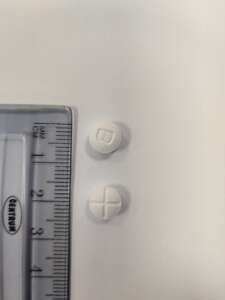
Figure 1: Oral GS-441524 tablets
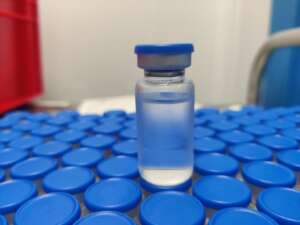
Figure 2: Remdesivir for intravenous or subcutaneous injection

Figure 3 A cat with FIP and ascites. Effusions should start to resolve over 3-5 days after starting treatment.

