


The treatment of feline infectious peritonitis (FIP) in the UK – FAQs about treating FIP
Last updated: 07/2025
Sam Taylor BVetMed(Hons) CertSAM DipECVIM-CA MANZCVS FRCVS
Séverine Tasker BVSc BSc DSAM PhD DipECVIM-CA FHEA FRCVS
Danielle Gunn-Moore BSc(Hon), BVM&S, PhD, MANZCVS, FHEA, FRSB, FRCVS
Emi Barker BSc BVSc PhD PGCertTLHE DipECVIM-CA MRCVS
Stephanie Sorrell BVetMed(Hons) MANZCVS DipECVIM-CA MRCVS
Thank you to Richard Malik & Sally Coggins for their advice and assistance in producing this document.
The above specialists have come together to run the ‘FIP advice’ email address (fipadvice@gmail.com) answering queries on the new treatments on a voluntary basis and disseminating information to vets and vet nurses in the UK.
- What about neutering, parasiticides & vaccination during or after treatment for FIP?
- Should oral treatments for FIP be given with or without food?
- Is there Additional supportive treatment for cats with FIP?
- Can I trial treat FIP with GS-441524 or remdesivir?
- How can we help support caregivers?
If you are a cat owner, please watch our animal owner educational webinar.
The UK has had nucleoside analogue antivirals legally available to vets for the treatment of FIP in cats since August 2021. In that time, many cats and kittens have been treated successfully. However, knowledge and recommended treatment protocols are constantly evolving, with updated guidance being released February 2024. This article has been created to support vets in the use of oral GS-441524 (50mg tablets and 50mg/ml oral suspension) and injectable remdesivir (Figures 1 and 2) in the management of FIP.
It is worth remembering that treatment needs to be tailored to the individual cat based on response, compliance and client finances. An information sheet on FIP is downloadable from our website here: Feline Infectious Peritonitis (FIP) Information for Cat Owners. (bova.vet)
For recommended protocols for treating FIP please read ‘The treatment of feline infectious peritonitis (FIP) in the UK – an update on treatment options‘. For information about what to monitor while treating FIP please refer to ‘What to look out for when treating FIP‘.
What about neutering, parasiticides & vaccination during or after treatment for FIP?
Neutering is ideally performed from a month after treatment is completed if the cat has responded well. However, if leaving the cat unneutered is causing stress (e.g., attempts to escape or distress for queens in oestrus “on heat”) then neutering during treatment can be considered if the cat is doing well on treatment with at least another 2-4 weeks of treatment remaining if possible. There is no contraindication to routine worming or flea treatment for cats on antiviral treatment for FIP.
No information is available on response to vaccination of cats receiving treatment for FIP. Prospective studies are needed but analysis of treated cases suggests that cats can be safely vaccinated after or during successful treatment without causing relapse of FIP. Given unknown effects of antivirals on live vaccination efficacy, vaccination is ideally postponed to one month after completion of treatment (and to avoid any vaccine reaction being confused with relapse). Vaccinations should be given as recommended for the cat depending on its environment and risk (see WSAVA or ABCD Vaccination Guidelines). If urgent vaccination is needed during treatment, due to a high risk of infectious disease, then they should only be given if the cat is clinically well.
If veterinary visits and procedures are necessary, clinic stays should be minimised and Cat Friendly Clinic protocols and handling implemented to reduce stress to the cat.
Should oral treatments for FIP be given with or without food?
- GS-441524 suspension or tablets can be given with a small treat (tablets can be crushed for this) or directly into the cat’s mouth. Further study is needed to review the effect of food on absorption, but it is recommended to give in a small treat or on an empty stomach, leaving a gap of an hour or more before feeding a larger meal. Fasting cats overnight can increase their hunger to facilitate medicating in the morning, and similarly for an evening dose. However, starving kittens is never recommended as they cannot cope with this. Any withholding of food needs to be tailored to the age of the cat.
Do not forget to support clients giving oral medications, as this can also be challenging. Direct clients to the iCatCare website for information and videos: https://icatcare.org/advice/how-to-give-your-cat-a-tablet/
Is there Additional supportive treatment for cats with FIP?
Cats with FIP have often lost weight and body condition so nutrition is a priority. Appetite stimulants such as mirtazapine (and/or capromorelin oral solution) may be useful and some sick cats may benefit from feeding tube placement short-term; this can also facilitate medicating. Since nasal tubes are poorly tolerated by cats and may cause depression, cats with profound anorexia that cannot be alleviated by the drugs above may benefit from an oesophagostomy (O-)tube being placed.
Drugs such as maropitant or ondansetron may benefit cats feeling nauseous and encourage eating.
Occasionally, FIP can cause severe, sometimes immune-mediated haemolytic anaemia (see ‘Important comorbidities’,) and blood transfusion can be considered alongside antivirals.
Generally, corticosteroids are not required in the treatment of FIP when giving antivirals. Cats with uveitis (intraocular pressure should be assessed in case of complications such as glaucoma) may need topical corticosteroids for the first 1-2 weeks; however, the requirement for corticosteroids to control uveitis beyond this time frame often suggests an antiviral dosage increase is needed. Cats with severe neurological signs occasionally require short-term systemic corticosteroids (1-5 days) to reduce meningeal inflammation. Rarely, cats with FIP develop immune-mediated haemolytic anaemia (see ‘Important comorbidities’) and these cases often require systemic corticosteroids.
FIP is likely a painful condition due to peritonitis, pleuritis, renal or liver capsular distension or ocular pain. If patients have normal renal function and hydration, a non-steroidal anti-inflammatory drug could be prescribed, or opioid medication could be considered. Multimodal analgesia is needed for very painful cats with monitoring for efficacy (e.g., using the Feline Grimace Scale: https://www.felinegrimacescale.com
Cats with seizures may require treatment with antiseizure medications such as levetiracetam and phenobarbitone during antiviral treatment.
Can I trial treat FIP with GS-441524 or remdesivir?
In some situations, it is not possible to achieve a definitive diagnosis of FIP due to cost constraints, availability of testing, instability of the patient precluding invasive testing or the clinical signs being limited to the CNS and/or eyes. Antiviral treatment trials can be considered, using an appropriate dosage and objective measures to identify improvement, e.g., serial neurological or ocular examinations. Improvements in demeanour and return of normothermia are expected within 48 hours, and add weight to the presumptive diagnosis. Note that effusions can take longer to resolve (see ‘What to expect during treatment’) and improvements in haematology and biochemistry abnormalities can also take weeks. Failure to improve on an adequate dosage of antivirals should prompt investigation for an alternative diagnosis. Most cats are notably better by 2-5 days; however, a small number of cats can take up to 10 days; that said, there have usually been some positive signs before then.
Ruling out other diseases remains important whenever possible, and especially when the treatment response is not as expected. Unfortunately, some cats may have FIP alongside another condition, such as lymphoma or low- grade septic ascites. These cats might show partial improvement with antiviral treatment, only to plateau later if the comorbid disease is not addressed. For this reason, it’s essential to try and maintain as thorough a diagnostic approach as possible and avoid relying solely on treatment response to guide diagnosis, particularly in cases that don’t respond as expected.
How can we help support caregivers?
Giving medications orally to cats can be challenging, and FIP treatment is life-saving and essential. Caregivers should be supported with advice on how to administer oral medications at home. Tips include:
- Discuss preferred formulations (liquids or tablets if both are available);
- Advise how medications can be given, eg in a treat (liquid or pill ‘putty’ types, preferences can vary between cats;
- Advise that GS-441524 tablets can be crushed and mixed with a treat/small volume of favoured food;
- Avoid putting medications in a main meal, as this can reduce food intake and lead to only part of the medication being consumed.
- Fast cats overnight before offering medication in a small amount of food in the morning, before the main meal (exceptions may be young kittens or cats grazing overnight).
- Demonstrate how to give tablets or liquids directly into the mouth if needed.
- Follow up with caregivers after 24-48 hours via their preferred communication route (telephone, text, email) to discuss challenges and alternatives if necessary.
Further reading
Tasker, S.; Addie, D.; Egberink, H.; Hartmann, K.; Hofmann-Lehmann, R.; Hosie, M. J.; Truyen, U.; Belak, S.; Boucraut-Baralon, C.; Frymus, T.; Lloret, A.; Marsilio, F.; Pennisi, M. G.; Thiry, E.; Mostl, K., ABCD Guidelines Feline Infectious Peritonitis – factsheets & diagnostic tools. 2022, accessed 16th January 2023. https://www.abcdcatsvets.org/portfolio-item/factsheets-tools-for-feline-infectious-peritonitis-fip/
Thayer, V.; Gogolski, S.; Felten, S.; Hartmann, K.; Kennedy, M.; Olah, G. A., 2022 AAFP/EveryCat Feline Infectious Peritonitis Diagnosis Guidelines. Journal of Feline Medicine and Surgery 2022, 24, (9), 905-933. https://journals.sagepub.com/doi/full/10.1177/1098612X221118761
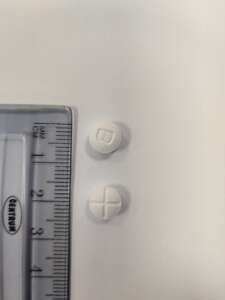
Figure 1: Oral GS-441524 tablets
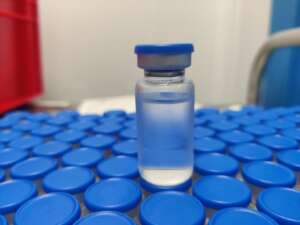
Figure 2: Remdesivir for intravenous or subcutaneous injection

