


Bova Scholars – Free Vet Education
Welcome to our Bova Scholars hub. Here you will find all our continuing education for veterinarians, veterinary nurses/technicians, and support staff – all free, and all from experts in their field. We have a passion for innovation, and this not only extends to the products we deliver, but to the educational content we create. We aim to provide you with the latest research, thinking and treatment options with easily accessible blogs, podcasts and webinars. So, whether you’re a reader, a listener or a watcher, we have you covered.

-
On-Demand
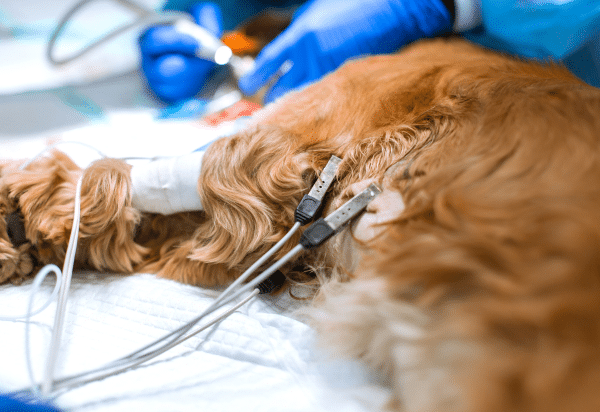
ECG clinical interpretation (2024)
Delve into the world of electrocardiography with a leading expert in the field, who will guide you through real-life case studies and share valuable insights. Gain practical skills that you can immediately apply in your veterinary practice. From reviewing the normal cardiac conduction system, and equipment setup to a step-by-step guide in working through ECGs, you’ll leave with a toolbox of skills to enhance your diagnostic capabilities. This isn’t your typical webinar – practical and interactive, expect live polls, live Q&A sessions, and interactive discussions to deepen your understanding of ECG clinical interpretation.
-
On-Demand
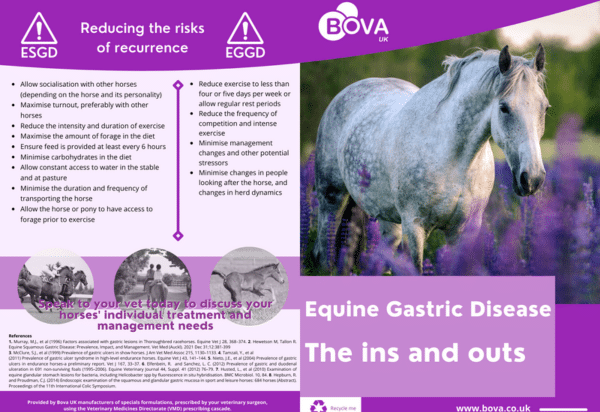
Equine Gastric Disease The ins and outs
Discover the ins and outs of Equine Gastric Disease, a common condition affecting horses. Learn about the two types of gastric disease, their risk factors, and prevalence.
Don’t miss out on this essential information for every horse owner!
-
How to know your horse is the right weight?
Understanding the importance of maintaining the right weight for horses is crucial for their overall health and well-being. Learn more.
-
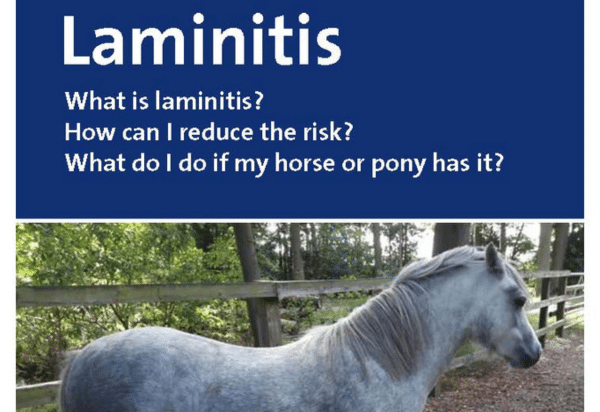
Laminitis
What is laminitis? How can I reduce the risk? What do I do if my horse or pony has it?Learn about laminitis. Discover the causes, symptoms, and how to reduce the risk. Find out how to recognize laminitis early and what steps to take if your horse or pony has it.
-
On-Demand
Bova Ovulating Drugs report: the deslorelin/hCG reliability
Predicting the time of ovulation is of great importance for efficient breeding management of mares. Ovulation can be synchronised, or advanced, with the use of two families of ovulating drugs: the naturally harvested glycoprotein, human chorionic gonadotropin (hCG), and gonadotropin-releasing hormone (GnRH) analogues.
-
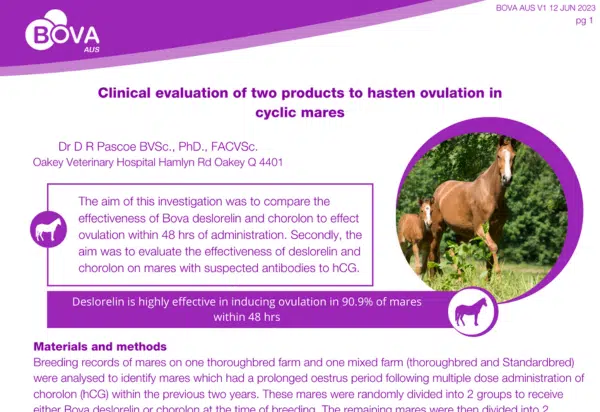
Clinical evaluation of two products to hasten ovulation in cyclic mares
The aim of this investigation was to compare the effectiveness of Bova deslorelin and chorolon to effect ovulation within 48 hrs of administration. Secondly, the aim was to evaluate the effectiveness of deslorelin and chorolon on mares with suspected antibodies to hCG.
-
On-Demand
Induction of Ovulation
Discover the efficacy of ovulation induction treatments in mares. Bova-supported study compares hCG, deslorelin, and more.
-
On-Demand
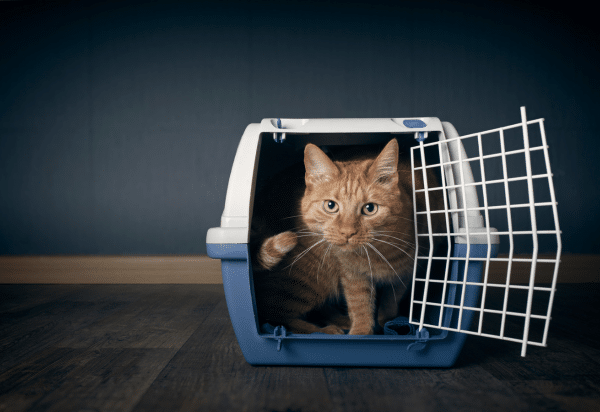
Anxiety in cats. What signs do cats show and how to help owners recognise and manage them? (2023)
This webinar will discuss how you can educate cat owners to recognise that their kitty is anxious and then how to manage the problem. Recognising a cat’s needs is the first step in helping cats live in their busy environment. Knowing which treatment options are available and what to use when is important to help fearful and anxious cats to live a happier and healthier life.
-
On-Demand
What is Stereotactic Radiation Therapy (SRT) and how can it be applied as a veterinary cancer care treatment option? (2020)
Bova Aus are excited to introduce you to Bova Scholars, an online webinar resource for vets and vet nurses. Over the coming months Bova Aus will be working with key opinion leaders to create webinars on a variety of topics to bring you top quality continued professional development (CPD).
-
On-Demand

-
On-Demand
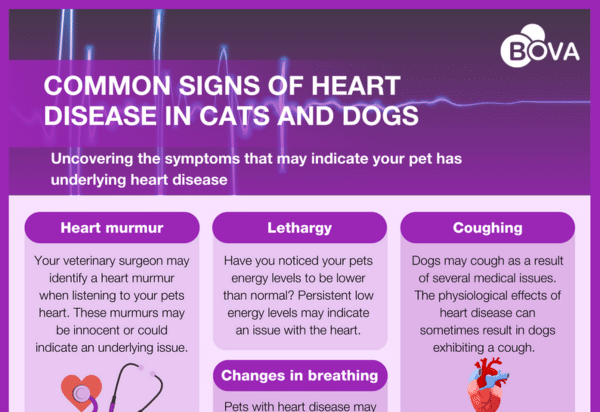
Common Signs of Heart Disease in Cats and Dogs
The poster discusses essential signs of heart disease in cats and dogs, such as heart murmurs, breathing changes and exercise intolerance. It offers a downloadable poster to assist pet owners in identifying these crucial symptoms, thereby safeguarding their pet’s heart health.
-
On-Demand
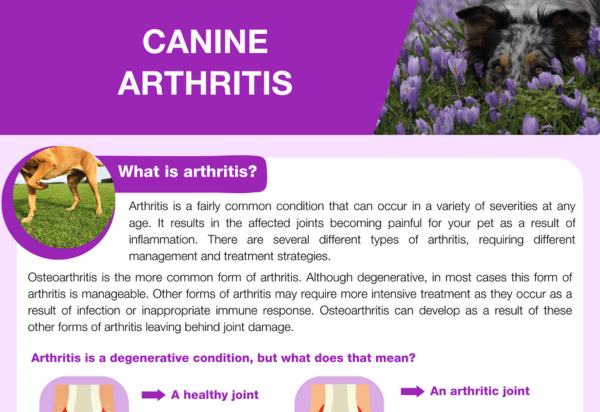
Canine arthritis
The informative poster on Canine Arthritis provides essential knowledge on the disease. It explores its causes, symptoms, treatment strategies, prevention methods, and overall management. It’s a valuable resource for pet owners seeking comprehensive understanding and practical advice for their pet’s joint health. A copy can be downloaded for reference.
-
On-Demand
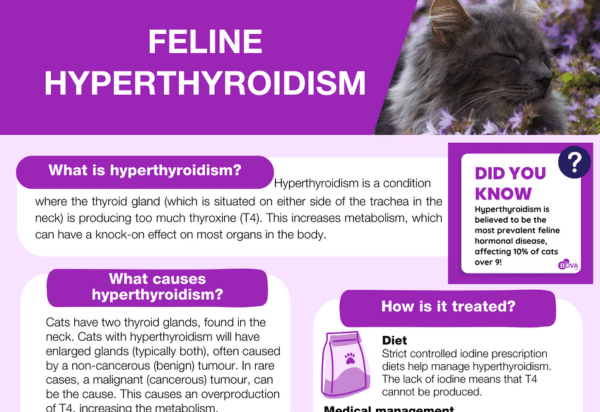
Feline hyperthyroidism
Feline hyperthyroidism, the most common hormonal disease in cats affecting 10% of those aged over 9. Our comprehensive poster available for download. This reference guide explains the causes, treatments, and core symptoms of the disease to educate cat owners better and ensure timely interventions.
-
On-Demand
Caring for the senior cat pet owner series – Dr. Caney
Dr. Sarah Caney, a specialist in feline medicine, has teamed up with Bova UK to deliver a series of webinars aiming to help cat owners identify and manage senior cat conditions. Internationally recognized, Dr. Caney, who has over 20 years of experience, intends to educate about early detection and intervention, aiming to improve the pets’ quality of life.
-
On-Demand
Equine Medical Urology and Nephrology (2024)
The Equine Medical Urology and Nephrology webinar in 2024 is led by Dr. Francois-Rene Bertin where he will focus on diagnosis, treatment, and management of various renal diseases including urinary tract disorders. Dr. Bertin, an expert in equine endocrinology, is an associate professor and the research director at the University of Queensland.
-
On-Demand
Equine Hepatic Disorders (2023)
The Equine Hepatic Disorders (2023) is a series exploring clinical and metabolic causes of liver disease in horses. It’s led by Dr. François-René Bertin, an authority in equine endocrinology from The University of Queensland. He is known for co-authoring research articles, book chapters and a leading textbook on equine endocrinopathies.
-
On-Demand
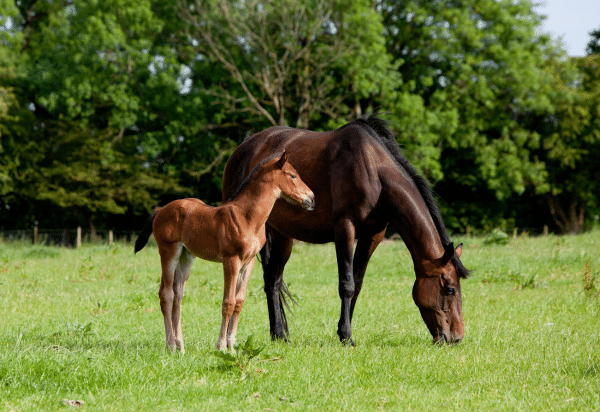
Foaling – Recognition of a difficult birth event (2023)
Delve into the intricacies of equine foaling, emphasising the critical need for early detection and intervention in challenging birthing situations. Beginning with a comprehensive overview of the normal foaling process, and signs indicative of a healthy foaling.An overview of difficult birth events, outlining causes and risk factors associated with dystocia. The crucial aspect of detecting these challenges is addressed through the examination of behavioural cues & physical indicators. Emergency preparedness, practical insights and intervention strategies. This presentation underscores the importance of proactive management, continuous learning, and vigilant care in equine breeding and foaling practices.
-
On-Demand
PROTECT ME 2023: how antimicrobial use guidance can help your practice! (2023)
Join our webinar to explore the updated PROTECT ME antibiotic guidance from BSAVA & SAMSoc.
Learn how to apply the latest evidence-based recommendations and support the fight against antimicrobial resistance.
👉 Register now to strengthen your antibiotic policy and clinical decision-making.
-
On-Demand
-
On-Demand
Field Solutions for Dystocia Management (2023)
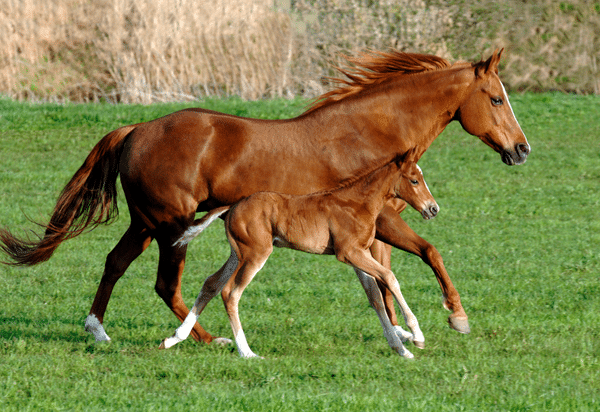
In this practical and informative session, recorded at the 2023 WEVA Congress, James Crabtree shares expert insights on managing dystocia cases in the field. With approximately 4–10% of equine deliveries experiencing complications, prompt assessment and action are critical to improving outcomes for both mare and foal.The webinar covers the causes of dystocia, the importance of client communication, how to carry out an effective initial assessment, and the decision-making process for next steps. Whether intervention is required or not, this session provides essential knowledge for equine practitioners facing obstetric emergencies.

-
On-Demand
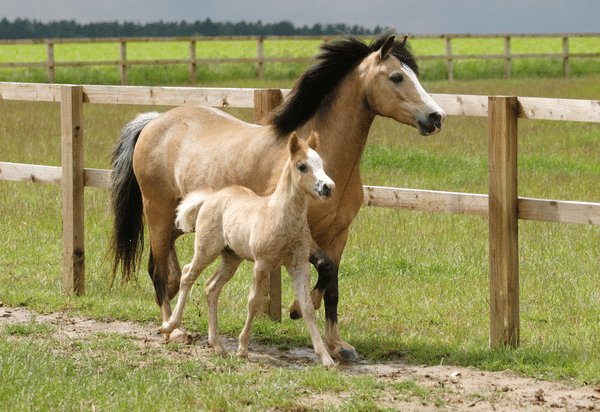
Beyond retained fetal membranes: Managing conditions of the post-partum mare (2023)
Join James Crabtree as he shares practical, field-based approaches to recognising and managing equine dystocia and postpartum complications. Recorded at WEVA Congress 2023, this session explores how to assess what’s normal and what’s not in the foaling mare, and how to effectively respond to emergencies such as periparturient haemorrhage, metritis, uterine lacerations, prolapses, and more.Whether you’re new to equine obstetrics or refining your emergency protocols, this webinar offers valuable, experience-led guidance.
👉 Register now to enhance your clinical confidence and improve outcomes for mares and foals.
-
On-Demand

Anthelmintic Resistance
Discover how vets can tackle anthelmintic resistance in horses. Expert insights from Hodgkinson, Rendle & Hughes. Evidence-based advice that matters.
-
On-Demand

Update on common behaviour problems in dogs and how to manage them (2023)
This webinar will cover some of the most common behaviour problems presented to veterinarians. It will discuss diagnosis and treatment using the 4 M approach, behaviour modification, environmental management as well as which medications may be helpful and how to monitor progress for best results.
-
On-Demand

The veterinary prescribing cascade (2019)
Prof Mark Bowen will be discussing the veterinary prescribing cascade and how this impacts your choices in practice
-
On-Demand
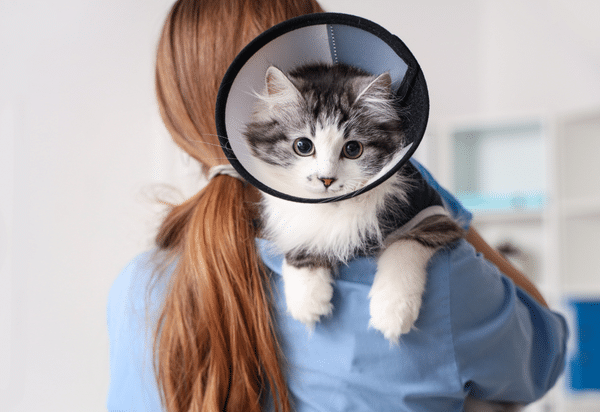
Learn how veterinary teams can maximise the welfare of companion animals who need to wear Elizabethan (2020)
Discover how Elizabethan collars impact pets at home in this insightful webinar with Dr Anne Fawcett. Based on real owner feedback, this session explores welfare considerations and practical tips for improving patient care post-discharge. Join us for evidence-based guidance on “the cone of shame.”










FAQ
Why choose Bova Scholars for continuing vet education?
We believe one of our key roles is to support veterinarians and veterinary nurses/technicians – making clinic life easier where we can. We know time is precious, so our free veterinary education is convenient and easily accessible – giving you the flexibility to learn when, and how you want.
We use board Specialists, key opinion leaders and industry professionals to deliver cutting-edge recommendations that help you provide the best care for your patients – covering a range of species and therapeutic areas.
Who is Bova Scholars for?
Bova Scholars has free veterinary education for all veterinary professionals – veterinarians, veterinary nurses/technicians, and the support staff – we know how important up-to-date knowledge is for the whole team.
What free vet education topics does Bova Scholars cover?
Bova Scholars covers a wide range of topics across small animal and equine medicine, giving you up-to-date information on equine topics such as laminitis and equine gastric disease, and small animal topics including feline infectious peritonitis (FIP) and feline allergies. We also have non-clinical topics to help support you in more general clinic life.
Who are Bova Scholars’ experts?
Meet some of the Specialists, key opinion leaders and industry professionals who deliver our CPD:
Equine:
Dr David Rendle BVSc MVM CertEM(IntMed) DipECEIM FRCVS
RCVS and European Specialist in Equine Internal Medicine
Small animal:
Dr Sally Coggins BVSc(Hons I) MANZCVS (feline Medicine) Masters of Philosophy (Science)
Dr Robert Hilton BVSc(Hons) MANZCVS CertVD
How to access Bova Scholars’ free vet education webinars
All you need to do is follow the relevant link, enter your details, and enjoy. Once you have completed a webinar on-demand please send an email to admin@bova.com.au and we will send you a link to your CPD certificate.
Keeping up to date with continuing veterinary education
As you know, continuing veterinary education or CPD (continuing professional development) is a requirement for all Australian veterinary professionals. The average number of CPD points required is 60 points over a rolling 3-year period. However, this is slightly different in each state so please check the Australian Veterinary Boards Council for more information.
Free education for animal owners
Finding trusted educational content for pet owners can be challenging. We have webinars for horse owners and cat owners to help owners better understand their pets to help improve animal welfare.
If you’re a pet owner, then you are in the right place! Watch our pet owner webinars here.