
This webinar provides a practical, case-based perspective on the detection, treatment, and prevention of gastro-duodenal disease in foals—equipping clinicians with the knowledge and confidence to make informed decisions in the field.


This webinar provides a practical, case-based perspective on the detection, treatment, and prevention of gastro-duodenal disease in foals—equipping clinicians with the knowledge and confidence to make informed decisions in the field.

A discussion of equine obesity recognition; diagnostic options which are regularly achievable in general practice and treatment options which might achieve better owner compliance, for both the obese horse and the obese horse during a laminitis episode.

This webinar covers evidence-based use of anti-emetics, antacids, antidiarrheals, and appetite stimulants—highlighting mechanisms, side effects, and off-licence considerations. Gain confidence in prescribing and improve your clinical approach to managing common gastrointestinal presentations in small animal practice.
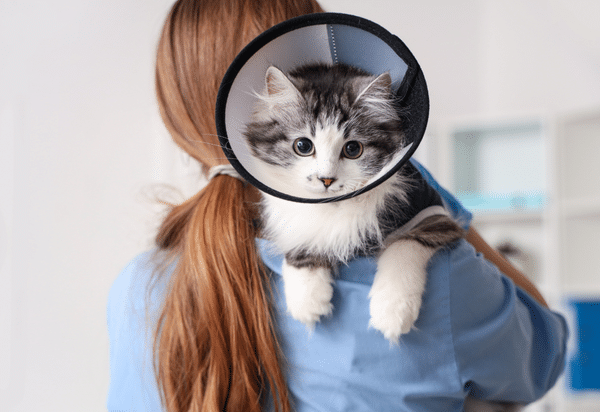
Discover how Elizabethan collars impact pets at home in this insightful webinar with Dr Anne Fawcett. Based on real owner feedback, this session explores welfare considerations and practical tips for improving patient care post-discharge. Join us for evidence-based guidance on “the cone of shame.”

Join Dr Rob Hilton as he explores how to diagnose allergies in cats, including differentiating between parasitic, food-related, and environmental causes. Learn a practical step-by-step approach and uncover non-allergic conditions that can mimic allergy. Perfect for vets seeking clarity in managing feline pruritus and complex dermatology cases.

Managing feline atopy requires more than just corticosteroids. Join Dr Rob Hilton as he explores safer, evidence-based treatment options—both registered and off-label. This webinar also features new research insights, helping you confidently manage “catatopy” while minimising side effects like diabetes. Essential viewing for feline-focused veterinary professionals.

Join Liz for an in-depth look at feline aortic thromboembolism, focusing on its classic presentation—hindlimb paralysis. Learn how to diagnose, manage, and prevent this serious condition in cats. Perfect for vets seeking practical, up-to-date strategies for ATE cases. CPD certificate available for live and on-demand viewers.

As veterinarians become more familiar with behavioural medicine they reach for medications more for pets with behavioural issues such as anxiety and reactivity. This has meant that clonidine usage has increased.
This webinar will cover why clonidine can be useful, how to use it, when to use, where it may be useful and why.