
David will discuss options for the treatment of EGGD and ESGD and review recent published and as yet unpublished clinical research relating to the treatment of both conditions.


David will discuss options for the treatment of EGGD and ESGD and review recent published and as yet unpublished clinical research relating to the treatment of both conditions.
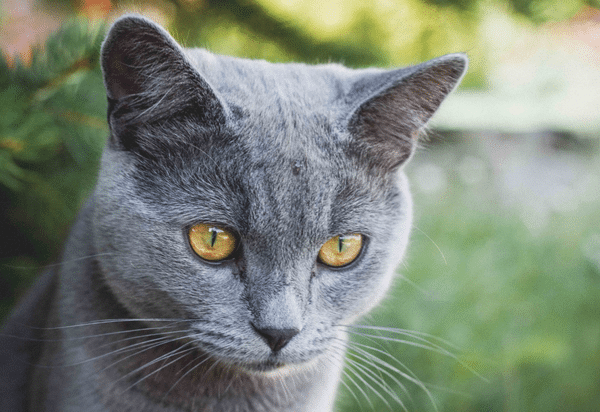
Medicating cats can be notoriously challenging, especially when long-term compliance is needed. In recent years, transdermal ointments and gels have emerged in the UK as a practical alternative to oral administration.
These formulations are often easier for clients to apply and are generally well tolerated by feline patients.
In this webinar, we’ll explore the use of transdermal medications in cats, critically review the available literature supporting—or questioning—their efficacy, and examine findings from a 2019 UK veterinary survey.
👉 Join us for practical insights into the clinical use, benefits, and limitations of transdermal therapy in feline medicine.

In this webinar, Dr Anna will review the evidence for and against various immunosuppressive options currently available, helping you make more informed decisions in clinical practice.

In this webinar, Dr Nuttall will guide you through the science behind AMR, practical strategies for reducing unnecessary antibiotic use, and how veterinary professionals can become stewards for change—without compromising animal welfare.
Learn how to protect the future of antimicrobial efficacy through better prescribing, communication, and clinical judgement.

Antibiotic resistance has, until recently, been viewed more as a political issue than a clinical concern for equine practitioners. However, it is now emerging as a real clinical challenge, with wound infections caused by MRSA and MRSP becoming increasingly common.

The seminar discusses enhancing the management of Cushing’s syndrome in dogs from a general practice perspective. Topics include reliable diagnosis, evaluation of tests, understanding underlying causes, and key principles for successful management. Consideration is given to the disease’s possible effect on the animal and the owner’s quality of life. The presenter is Professor David Church, a seasoned small animal specialist and co-founder of VetCompass.

This presentation will review the normal reproductive cycle of the mare, with a particular focus on ovulation and the role of Doppler ultrasound in assessment.
Key topics will include:
Decision-making around ovulation induction agents, including considerations related to the prescribing cascade
Recent clinical research on the timing of ovulation
Guidelines for fixed-time breeding using both chilled and frozen semen

This talk will explore the growing recognition of zoonotic and nosocomial mycobacterial infections in pet cats (and dogs) in the UK.
Recent data shows that nearly 1% of feline tissue biopsies sent for routine pathology exhibit changes consistent with mycobacterial infection. Of these, approximately 35% are tuberculosis (TB) cases—20% caused by Mycobacterium microti (the vole bacillus) and 15% by Mycobacterium bovis. These infections are most commonly cutaneous and/or involve local lymph nodes, particularly the submandibular and popliteal nodes.